





The damage done by the A-bomb to human bodies does not heal with passing time. This is the peculiar horror of radiation.
Japan’s A-bomb disease research, greatly restricted during the occupation, finally began to progress after Japan’s independence. Only then did the picture of hibakusha (A-bomb survivors) suffering from aftereffects become clear.
In 1957, the Hibakusha Medical Law was put into effect, and in 1968 the Hibakusha Special Welfare Law was enacted. In 1995, both of these medical laws related to the atomic bombing were combined into one as the Hibakusha Relief Law, which provides more general measures for assisting the health, welfare and medical treatment of the hibakusha.
Fetuses Injured
Many children exposed to radiation in their mother’s womb were born with what became known “A-bomb microcephaly.” Suffering from retarded mental development or physical disabilities, they have survived to this day through the tender care of relatives. Independence for these aging patients is difficult, and assistance after the death of their relatives is a major issue.
A-bomb microcephaly, permanent damage to utterly innocent fetuses, is a telling example of the indiscriminate power of nuclear radiation.
Hiroshima Maidens
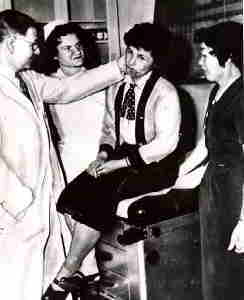
In June 1952, nine “Hiroshima Maidens” traveled to Tokyo Metropolis for treatment of keloids. This event marked the beginning of substantive treatment for hibakusha in Hiroshima. In July, Hiroshima’s surgeons began conducting check-ups and offering treatment. In January 1953, led by the local medical association, the Hiroshima City Hibakusha A-bomb Sufferers Treatment Council was formed. Amid these efforts, 25 additional, young female hibakusha were invited and visited the United States for treatment in May 1955.
“Hiroshima Maidens” receiving treatment in New York(1955). Courtesy of Chugoku Shinbun
Fukuryu-maru No. 5
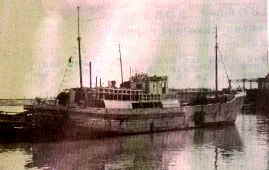
In March 1954, the Fukuryu-maru No. 5, a fishing boat, was bathed in the “ashes of death” at sea near the Bikini Atoll. The fallout was from a nuclear test by the United States. One of the crew members died later that autumn from symptoms similar to those common in Hiroshima and Nagasaki.
Acute damage from radiation of the crew became a sensational news. Fish on landing were abandoned. The market was closed. It was reported radiation was contained in spring rain that fell at that time. Panic spread. Marshall islanders near the Bikini Atoll ,and U.S. soldiers who joined the testing also suffered.
Years later, the boat was found rotting away in Tokyo Bay. It was decided in 1973 to preserve the boat, and an exhibition hall was completed in 1976. It serves as a witness for peace and assists the campaign to ban atomic and hydrogen bombs.
The Fukuryu maru No.5 atter being exposed to radioactivity. Courtecy of The Fukuryu maru No.5 Peace Association
Health Examination for Hibakusha
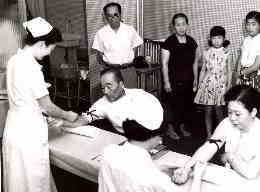
The Hibakusha Medical Law enacted in April 1957 made it possible for hibakusha (A-bomb survivors) to receive medical examinations and treatment at the national government’s expense. In the city of Hiroshima, Hibakusha Health Books were issued beginning on June 3 of the same year, and in August medical examinations started at the A-bomb Hospital and public health centers.
Health checks are now available four times a year. These are useful for earlier discovery of cancers or other diseases.
Hibakusha receiving health examinations at A-bomb Hospital (1957). Courtesy of Chugoku Shimbun
Overseas Hibakusha
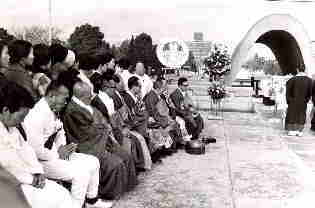
During the war, Japan funneled all resources into the war effort and forcefully brought thousands of people to work in Japan from Korea and other countries. Many forced laborers died in the A-bombings in Hiroshima or Nagasaki. Many experienced the bombing but survived to return to their countries of origin after Japan’s defeat.
Other overseas hibakusha include people from China and the countries of Southeast Asia, and Japanese who emigrated to various countries in North and South America and throughout the world.
First memorial service for Korean hibakusha (1968). Courtesy of Chugoku Shimbun